
Explore the course
Understand the jaw. Make sense of your findings. Develop your hands-on skills.
RISE Advanced TMD Training brings together anatomy, assessment and practical manual therapy for the jaw, head and neck.
You’ll learn to look beyond individual symptoms, understand what your assessment findings mean and use them to guide your treatment. Prepare through online learning before joining me for three practical days in Bristol, with a printed manual and support to take into your practice.
View dates and book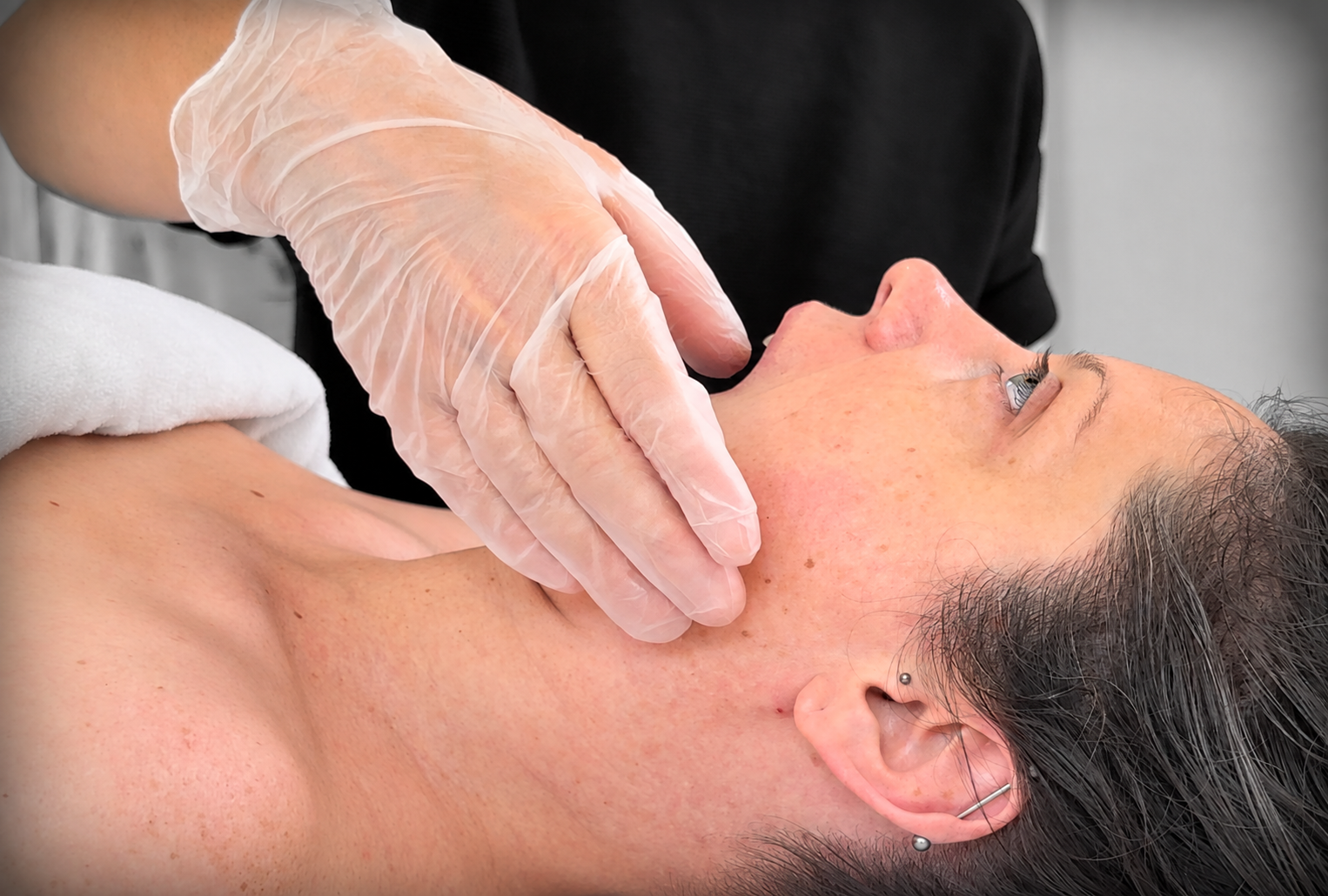
The curriculum
What you’ll learn
01 Understanding TMD
Explore the different ways temporomandibular disorders can present and the factors that may contribute to a patient’s symptoms.
- Common signs and symptoms
- The patient’s experience of jaw pain and dysfunction
- Relevant history and contributing factors
- The role of muscular therapy within a wider approach to care
02 Functional anatomy of the jaw, head and neck
Build a detailed understanding of the structures you’ll be assessing and treating.
- Bony landmarks, ligaments and the TMJ
- The articular disc and jaw movement
- Muscles of mastication and surrounding structures
- Relevant muscles of the head and neck
- The tongue and its relationship to jaw function
03 Posture, movement and myofascial pain
Explore the relationship between the jaw and cervical region, alongside the pain patterns encountered in the manual.
- Forward head posture and the jaw
- Cervical and jaw movement
- Trigger points and referral patterns
- Using your findings to guide your hands-on approach
04 Understanding different presentations
Develop the background knowledge to approach different presentations thoughtfully and recognise when a referral may be needed.
- Muscular and joint-related presentations
- Disc-related problems and jaw locking
- Restricted opening and trismus
- Tongue-tie and the trigeminal nerve
- Red flags and onward referral
05 Dental and medical perspectives
Become familiar with interventions patients may already be using or discussing with their dentist.
- Common dental appliances and their uses
- Botox and the muscles of mastication
- Perspectives from two dentists working with TMD
- Understanding where your work sits within the patient’s wider care
06 Consultation and assessment
Learn a structured approach to gathering information, assessing the jaw and neck, and understanding what you find.
- Case history and consultation
- Observing and measuring jaw movement
- Jaw deviation, limitations and symptoms
- Palpation and relevant muscular assessment
- Cervical movement and assessment findings
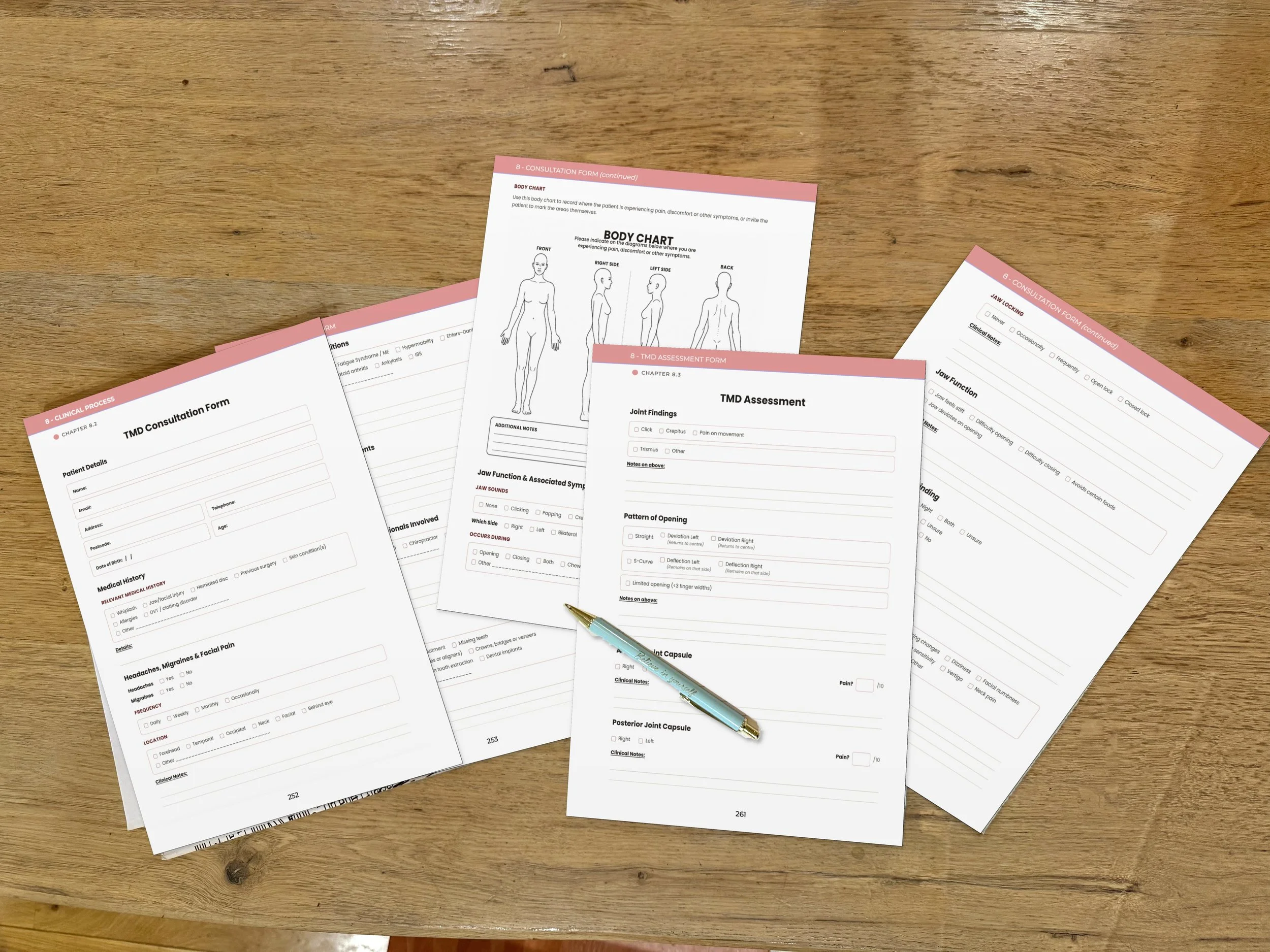
- Using the included consultation and assessment forms
07 Hands-on treatment
Develop a range of external and intra-oral approaches, with techniques performed in seated, prone, side-lying and supine positions.
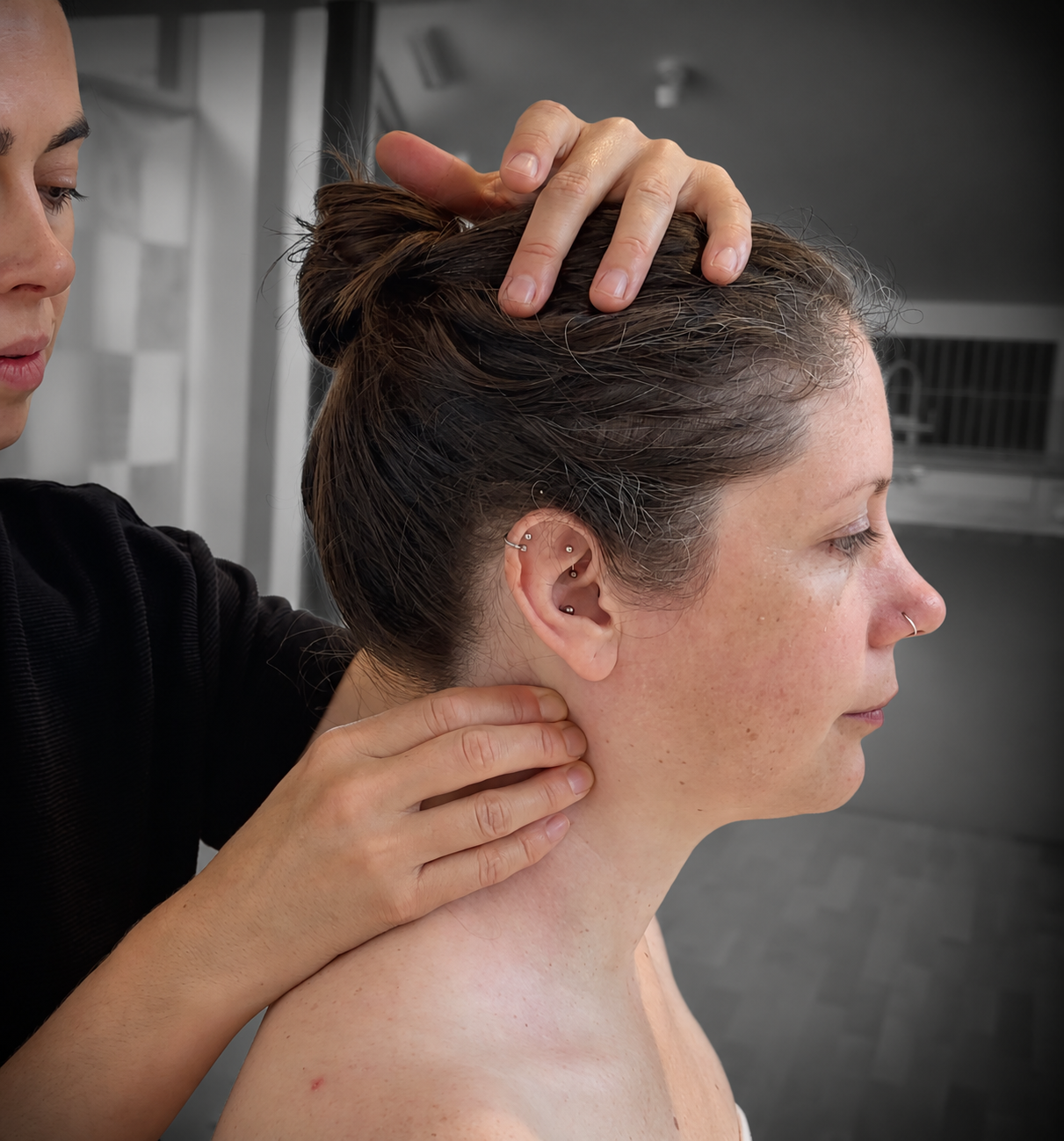
The neck and surrounding tissues
Explore techniques for the neck and surrounding muscles as part of your treatment approach.
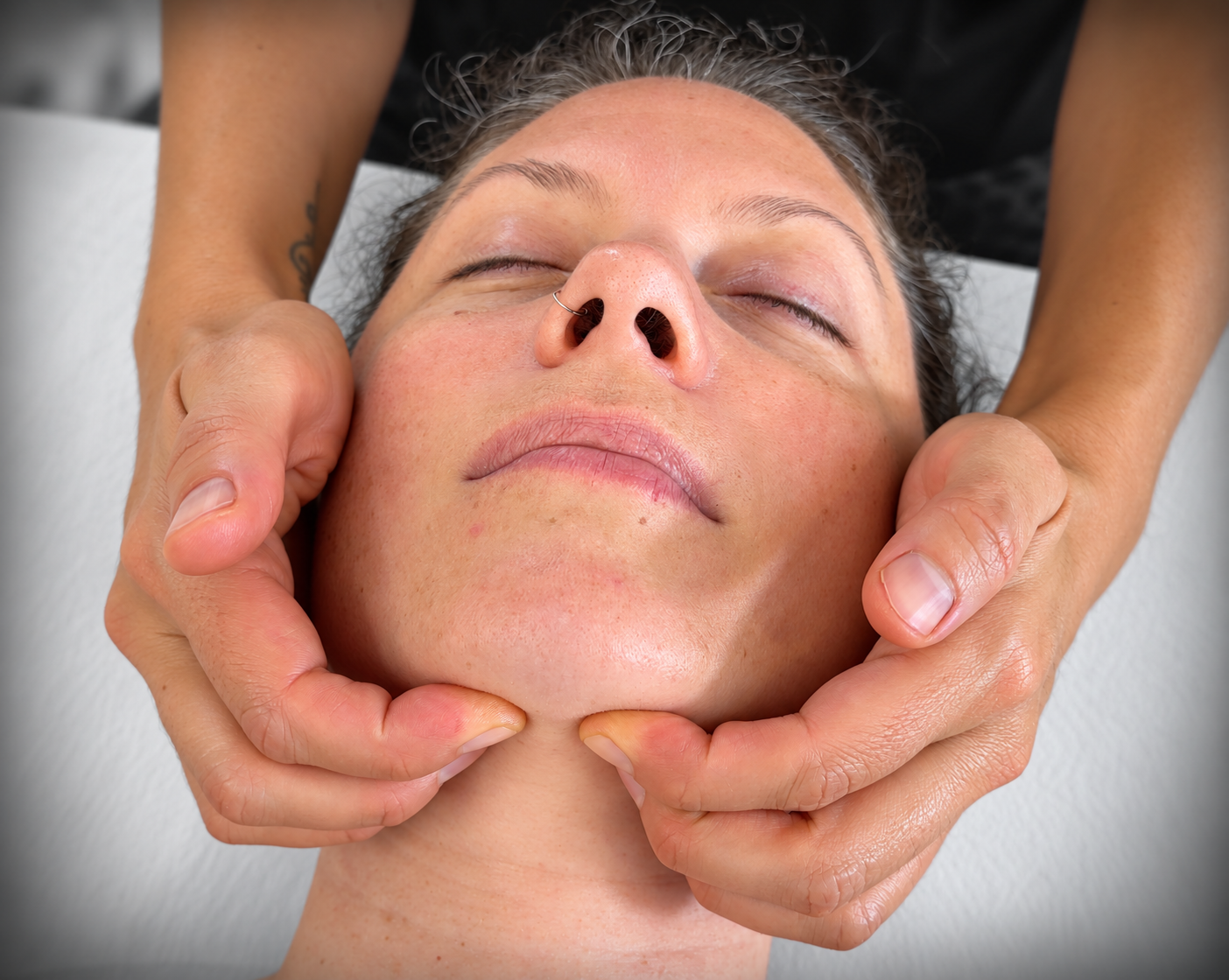
The jaw and face
Practise external approaches to the muscles and tissues of the jaw and face.
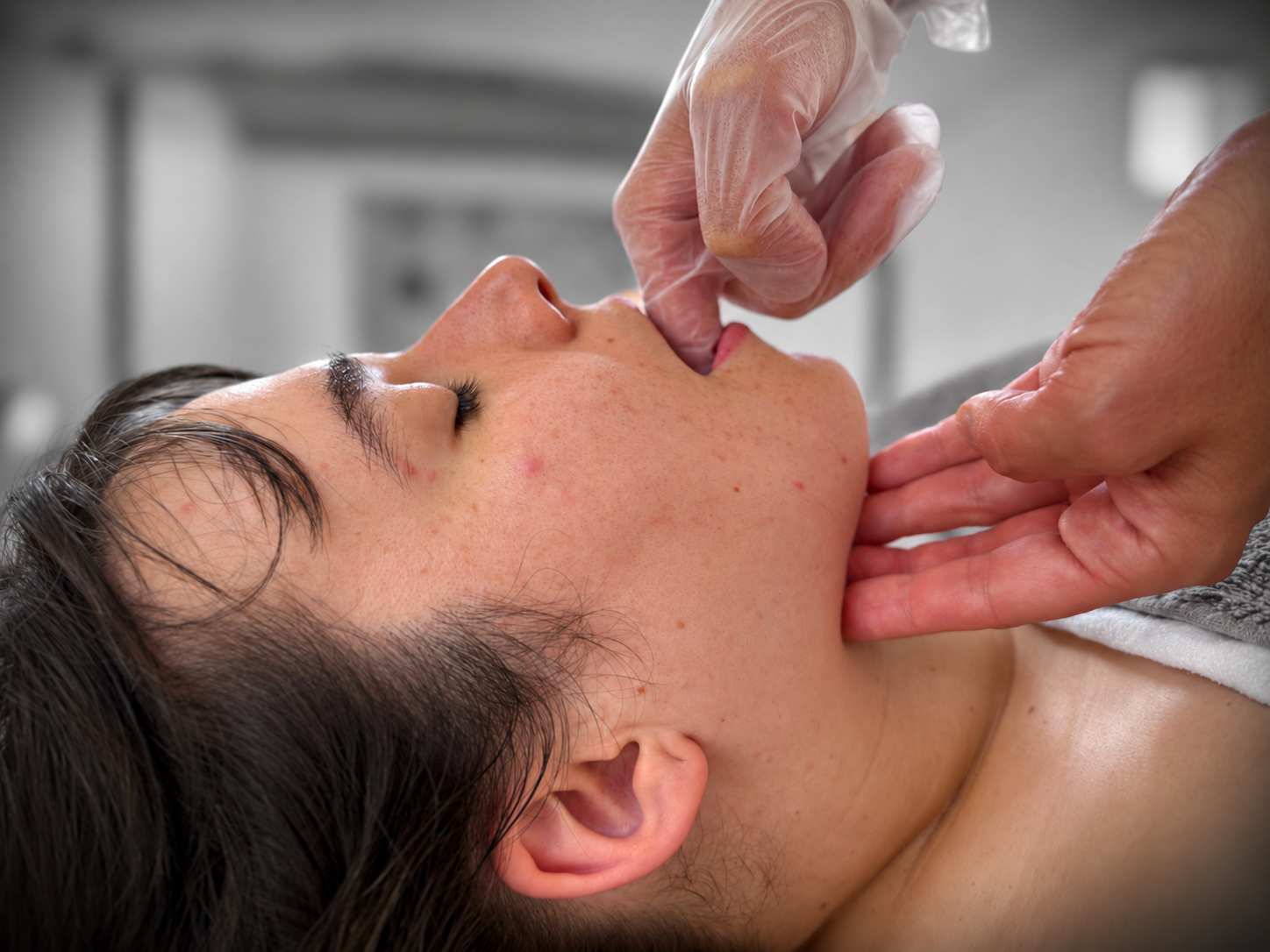
Intra-oral work
Learn approaches to the medial and lateral pterygoids and tongue.
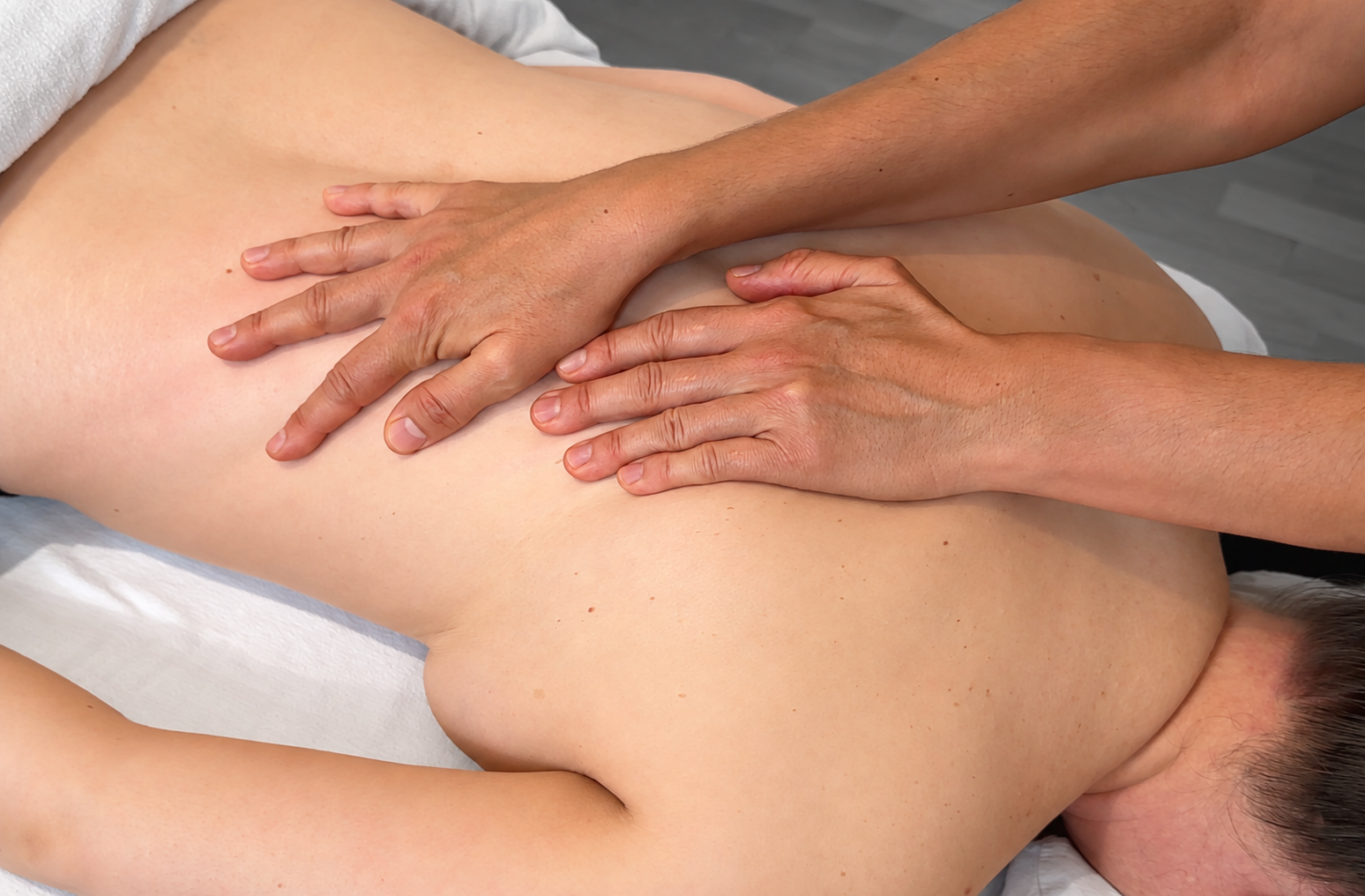
Application and treatment flow
Combine techniques and adapt your approach to the individual patient.
08 Clinical reasoning and treatment planning
Bring your knowledge and practical skills together.
- Understand what your assessment findings mean
- Adapt your approach to the patient’s history, movement and symptoms
- Recognise when further assessment or referral is needed
- Choose relevant techniques for the individual
- Use the manual’s quick-reference guides to support your reasoning
- Plan appropriate home care
Before we meet
Prepare online, then put it into practice
Before attending the practical training, you’ll need to:
Watch the anatomy video
Explore the relevant anatomy as a foundation for the theory and practical work.
Read the required manual sections
Get to know the material before the practical days.
Attend the live theory Zoom with Minia
Work through the theory together and ask questions before meeting in person.
Complete the preparation quiz
Answer questions on the required reading to help prepare for the hands-on training.
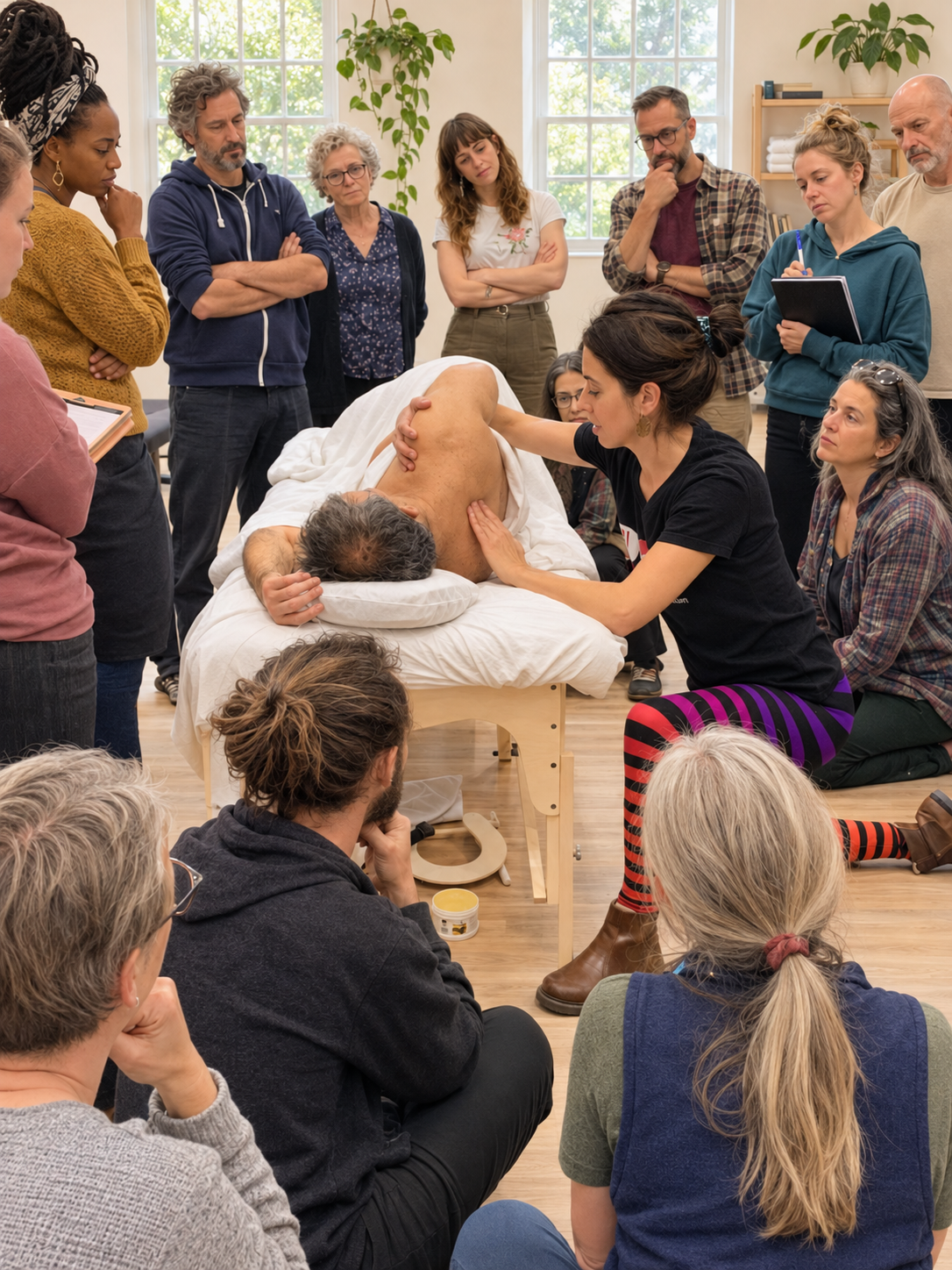
In person in Bristol
Your three practical days
Assess, understand and treat
Practise the consultation and assessment process, explore your findings and begin to understand what they mean for your hands-on work. You’ll learn and practise treatment techniques for the jaw, head and neck.
Bringing it all together
Bring assessment and treatment together in practice, using the patient’s case history and findings to guide a treatment tailored to the individual.
From findings to hands-on work
Learn to make treatment choices
An assessment becomes useful when you understand how it informs your next step.
Throughout the training, you’ll connect the patient’s history, movement and assessment findings with your hands-on work. You’ll explore what is relevant, what you can adapt, and how to choose techniques that suit the person in front of you.
The aim is to develop a thoughtful, flexible approach to each person you treat.
Entry requirements
A strong foundation for advanced training
You’ll need a recognised massage qualification incorporating at least Level 3 Anatomy, Physiology and Pathology, plus Level 4 Sports Massage or equivalent clinical or remedial massage training.
You should be comfortable with anatomical terminology, muscle attachments and actions, and assessing movement. The pre-course learning builds on this foundation, focusing on the jaw, head and neck.
Support as you put it into practice
Your 20-minute mentoring session
Your training includes a 20-minute one-to-one mentoring session with Minia, which you can book within three months of completing the course.
Bring a question from your work in clinic, talk through your assessment findings or discuss your developing treatment approach.
Completing your training
Your certificate
You’ll receive a certificate at the end of your training.
There is no formal practical assessment or submitted coursework. Before attending, you’ll complete the required online preparation, including the reading, quiz and live theory session.
Ready to develop your TMD skills?
Explore the available dates and join Minia in Bristol for three days of practical learning.
View dates and bookQuestions about the course or your previous training? Get in touch.